Leave Your Message
Anticipated studies in 2025 expect that the designs for study chairs will undergo rapid changes to suit global buyers. Recent reports indicate that by 2025, the global Office Furniture market is anticipated to reach $180 billion, and consumer preferences are shifting more toward ergonomic designs and smart solutions. Demand for study chairs featuring comfort, functionality, and advanced technology is truly taking off in the larger trend of intelligent workspaces. With the rise of work-from-home professionals and hybrid-learning students, the importance of study chairs cannot be overemphasized.
Guangdong Junshi Intelligent Furniture Co., Ltd. understands the importance of innovative designs on study chairs in fostering productivity and well-being. Our continuous research and development work aims to deliver smart office solutions that maximize user experience through ergonomic designs and cutting-edge technology. As global buyers look for furniture that meets aesthetics and promotes the health and efficiency of users, we strive to introduce intelligent workspace systems in tune with these emerging trends.
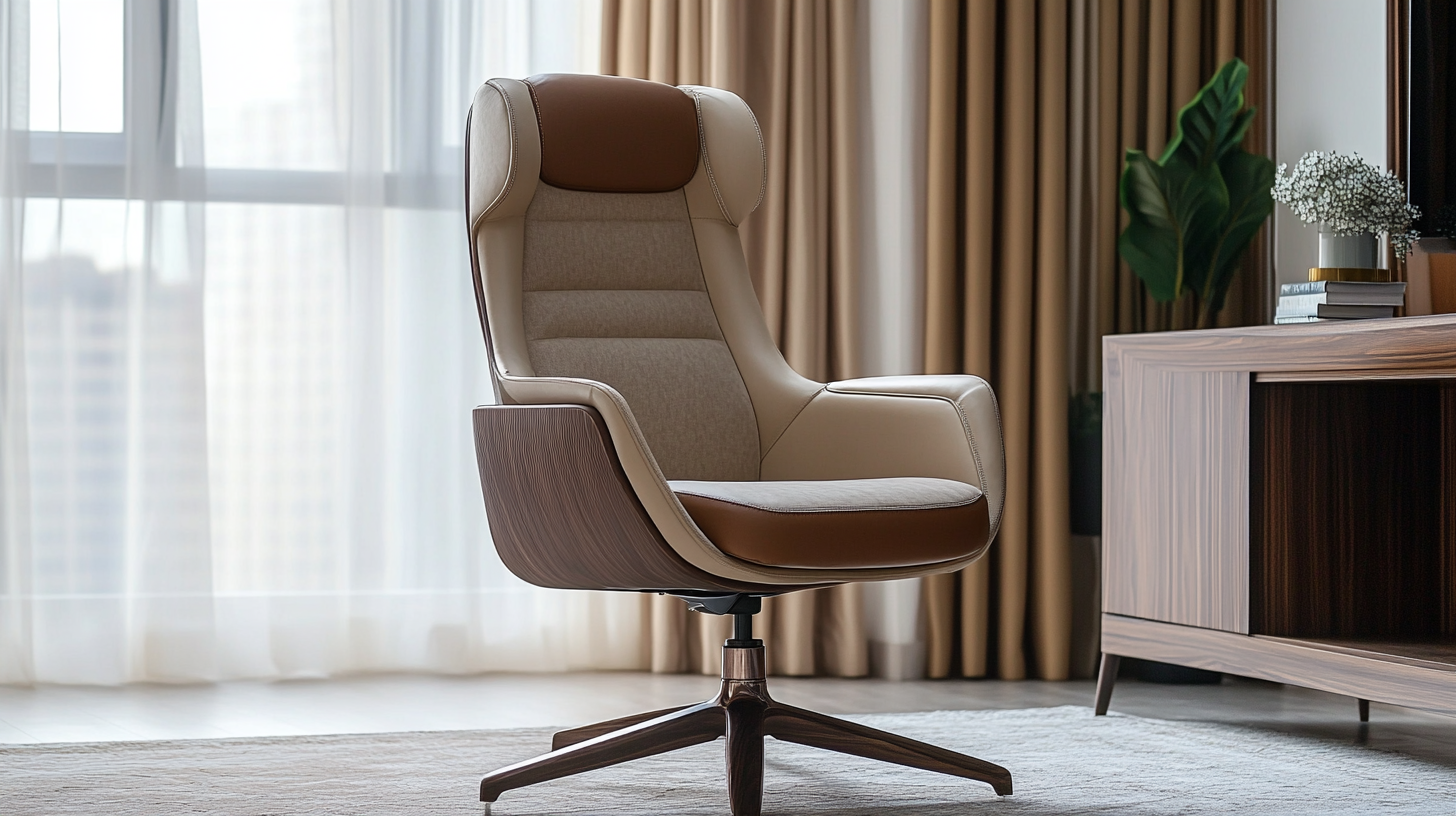
With approaching 2025, the students' chair market is going to undergo a radical transformation owing to application of innovative materials and design impact. Adding advanced materials to such chairs imbibes sophistication, and also includes function and safety adaptations. For example, ergonomic designs adapting to one's body are increasing to contribute higher comfort conditions during the long study period for better postural habits and health quality outputs. A new market study shows an upward trend for Study Furniture for children in China. In 2020, the market is roughly close to 98 billion RMB. It was increasingly expected to grow by an annual average rate of around 15% for the period of 2021 to 2026, primarily influenced by the enhanced ergonomic awareness regarding seating and the combination of safety and comfort in educational environments. There is no denying that this is being increased by the parent demand that seeks study chairs which provide health support but have harmony with the child's peculiar physical requirements. In this way, biomimetic materials are changing the design of the chairs. Use citrus peels and fish scales in nature-based concepts to create lightweight and, thus, stronger options for safety enhancement. Research-related projects in this area will capture the minds of the industry by providing unique solutions that well accommodate functionality and reason. Bringing together health, personalization, and sustainability will mark the way study chairs should take as they approach the year 2025.

A few defining trends that would usher the international scene in governance towards 2025 are personalization and customization in design. More and more, buyers are seeking pieces that evince their individual style and personal taste, thus facing manufacturers with a plethora of customizable choices. This change goes further than mere aesthetics; it extends to ergonomics, materials, and functionality, rendering every chair an expression of the lifestyle and needs of its user.
Customization allows consumers to set different parameters on their chairs-such as color selection, type of fabric, and ergonomic features. For instance, adjustable lumbar support, seat height, and the layout of armrests can be specified for one's comfort, in bodily comfort, personal customization translates to give weight to the increasing feeling that proper seating boosts productivity in an age when home offices are the new norm.
Concerns for sustainability are now so salient to so many buyers that being able to select eco-friendly materials also adds a layer of personalization. These include manufacturing options involving sustainably harvested timber and recycLED materials. This trend has, in some ways, married consumer desires with sustainability interests, creating furniture design with more conscience. It is emerging that the world of chair design will be guided by personalization and the option of sustainable choices that further a lifestyle.
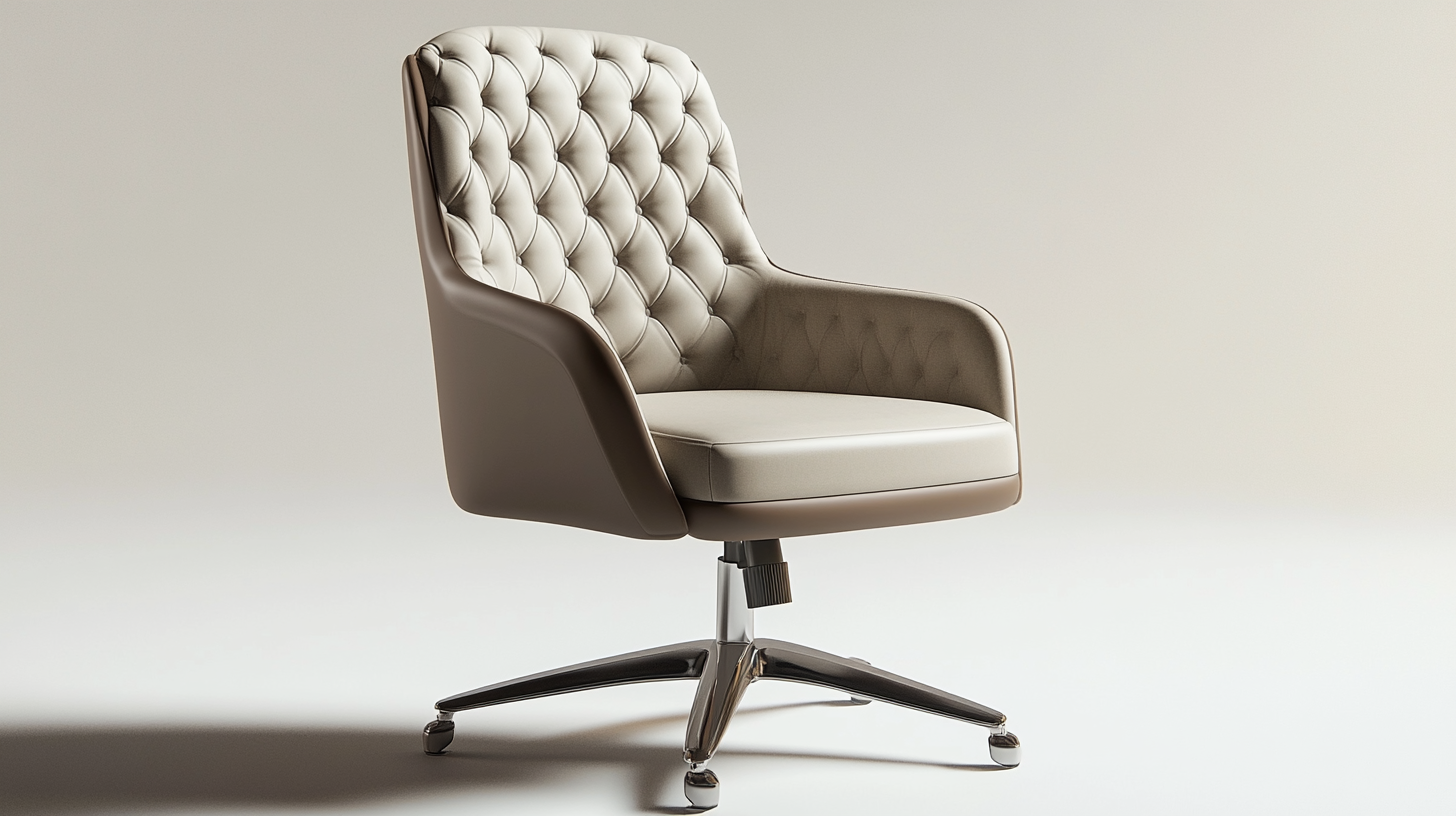
For a long time now, the focus on sustainability has kept on reinventing the markets for study chairs. With the year 2025 approaching, global buyers have turned keen-eyed about the products they consume, since they want their purchases to be in harmony with their values-of responsibility for the environment and ethical consumption. This can be seen in the designs of study chairs that utilize the materials invariably considered eco-friendly like recycled plastics and wood from sustainable forests because these contributed not only to waste reduction but also enabled a circular economy.
Manufacturers also take advantage of the production innovations that have lower environmental footprints. For instance, 3D printing is a new technique that was adapted to fabricate customizable chairs made of very little material. Such technique offers specific designs to fit particular needs while still conforming to sustainable practices. Besides, many brands are also seeking to join hands of partnerships with environmental organizations in order to become green according to the standards set within their facilities, thus increasing their credence to eco-conscious consumers.
The fact that a study chair now lasts much longer and possesses high durability factors makes it a unique selling proposition. Consumers are becoming more conscious of products that promise greater value over time, and designs that invite better repairability and refurbished applications are finding favor among buyers. This change would not only meet consumer demand but also encourage manufacturers to rethink life cycles in terms of product design, with a focus on easily updated or repaired items rather than discarded materials. These conditions now develop into a much larger trend which sees study chairs in the center of movements towards sustainable furniture.
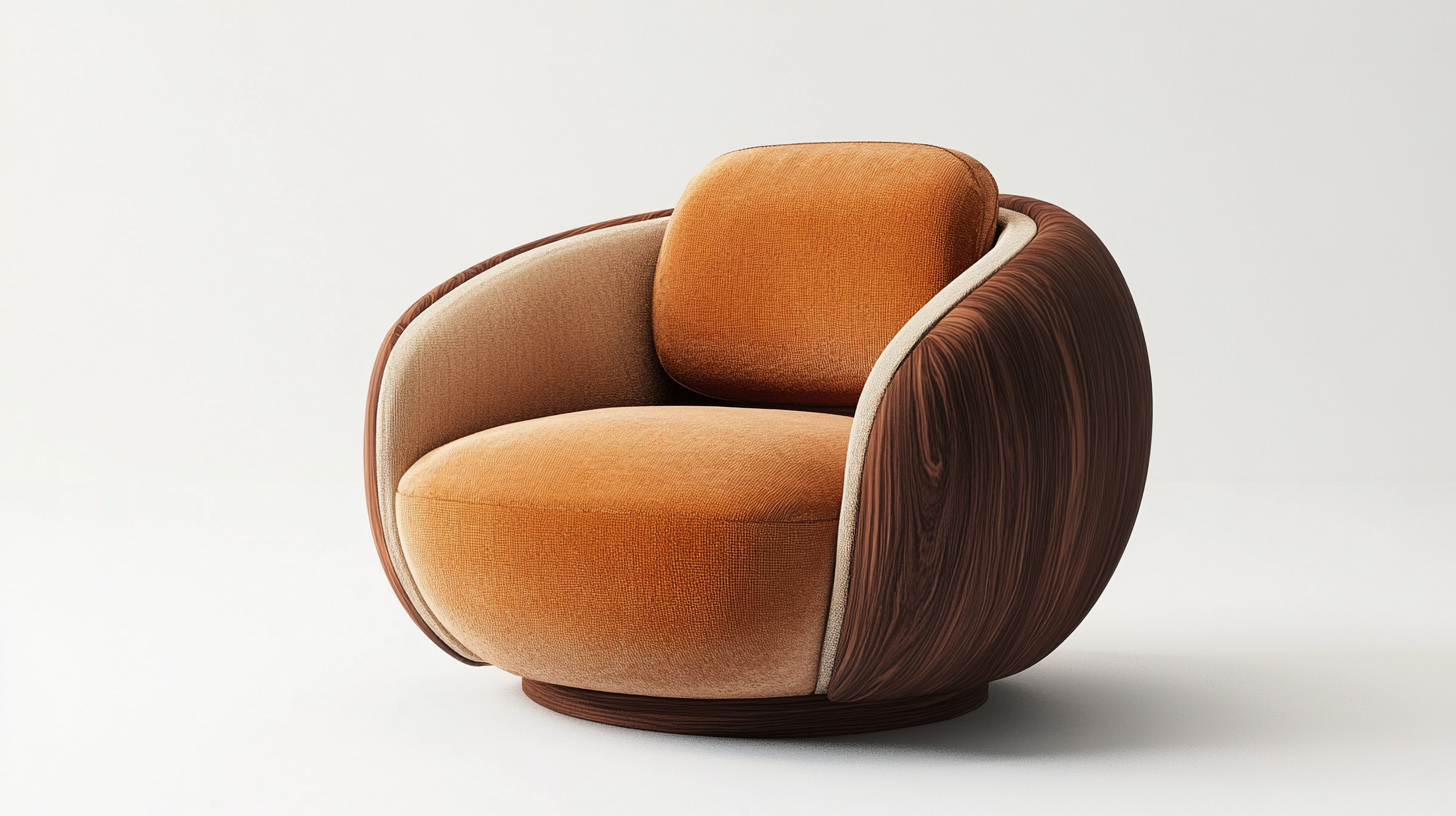
The market for study chairs is going through heavy future transformations towards 2025 with specific focuses on ergonomics, intending to boost and enhance comfort for prolonged study hours. As professionals and students both face the brunt of extending hours of concentrated work, so the chair's design of study chairs has also adhered to the physical strain associated with long hours of sitting. According to a recent study by Future Market Insights, the Ergonomic Chair market is projected to reach $33.3 billion by 2025, thereby showing an increasing demand for comfort-seating solutions.
An ergonomic chair actually conforms to the normal curves of the human body, aligning the spine with better posture. Depending on individual preferences, adjustable lumbar support and armrest height as well as adjustable seat depths not only render the activity comfortable to the learner but also reduce injury to musculoskeletal disorders that is largely prevalent among people who study or work for long hours. The American Chiropractic Association thus warns that nearly 80% of individuals experience back pain due to inadequate seating and highlights the importance of investing in a proper study chair.
Apart from physical benefits, ergonomics also improves productivity by an estimated percentage. Research done by International Journal of Environmental Research and Public Health shows that an ergonomic setup can increase concentration and output by at least 25% as very few complain of discomfort or fatigue. More and more brands are beginning to incorporate new-age materials and technologies into their ergonomic solutions; along with breathable fabrics and adaptive foam, the next repurposing for many chairs will not only cradle the body but will improve airflow so that temperature regulation makes longer study sessions less taxing, more enjoyable.
2025 is seeing smart integration in the design of study chairs coming to the rescue of the concept of comfort during study hours. Today's sitting furniture is no longer just about looking good—it caters to the demands of digital age. On a more general level, innovations in design will include sensors automatically adjusting seats to a position set by themselves depending on the user's posture, and hence encouraging better ergonomics and preventing strain over long periods.
Furthermore, we can increasingly expect the normal analog chair to incorporate built-in network connectivity. A Bluetooth-enabled chair seamlessly connects with personal devices, allowing the person to take those strides between activities. While user data is collected, users will be given the chance to review their study habits. For a keen reader, the technology's relevance depends on tailored messages reminding the user to stand up or suggest specific stretches based on the length of time they have been seated. Thus, the links between mental well-being and technology advance.
Additional provisos may include touch-sensitive controls that present settings such as lumbar support, seat height, and tilt angle for easy manipulation instead of pawing to find remote controls or individual knobs. It is anticipated that smart materials, such as temperature-regulating fabrics, will be key trends that will dramatically improve study comfort. Based on the growing merger between comfort, design, and smart technology, it can be observed that, by 2025, the study chair will turn into a must-have tool for boosting the educational productivity of this era, where multitasking skills and adaptability take precedence.
The trends in study chair designs around the year 2025 will be functional and aesthetic as they're going to reflect the tastes of an ever-globalizing market influenced increasingly by contemporary art. NFT art has surged so high-the latest effects being described by several reports on demand growth for the one-and-only digital artworks which strike personal taste. It is just a transformation of this demand into furniture, and hence furniture buyers would search for pieces that resonate with their personal aesthetics, much like what they do when it comes to digital art.
Industry analyses indicate that steely, ergonomic designs have become more minimalistic and thus define a growing crowd of potential users. A survey conducted by a leading market research agency quoted that nearly 65 percent of the world's buyers believed aesthetic harmony was the defining factor in what they buy for their homes or workplaces. This trend of furniture acquired for aesthetic reasons runs concurrent with the rising popularity of NFTs. Ownership here entails not just a collectible but a form of identity. Just as social media avatars have become statements of individuality, so too are study chairs evolving to meet these preferences.
There's also expected to be a substantive level of preference for eco-friendly materials and sustainable manufactories among buyers in future. Trends show that 70 percent of consumers would buy products made from reclaimed or sustainable resources, giving a little glimpse into an emerging trend in conscious consumption. As both forms of aesthetics and sustainability grow into each other, designs of study chairs would as well have to make an opinion on both visually and ethically among modern buyers in an active marketplace of the next years.
Manufacturers throughout the globe are almost certainly going to witness transformations in the design trends in response to a surging demand for multifunctional chairs. An example of this is the report by Grand View Research which stated that the ergonomic chair market will hit USD 14.3 billion by 2025, given that the hunger of most workers and students these days in virtually any environment has been comfort and flexibility with regards to work and study space features. Hence, this should demonstrate the upsurge in choosing multifunctional furniture that is pretty and, at the same time, practical.
Thus, in 2025, a study chair would be expected to incorporate within itself adjusted settings, built-in technology, and materials designing towards sustainability. According to Statista, about 60% of people, whose majority are millennials and Gen Zs, are keen on using eco-sustainable products. Thus, because of this trend, a number of manufacturers are engaging in experiments with renewable resources, such as bamboo and recycled woods, thereby strengthening the narrative concerning the sustainability of the market.
Yet, this trend towards flexible study chairs has also accelerated the adoption of studying, or indeed working, from home. An article published in the International Journal of Environmental Research and Public Health argues that proper sitting reduces musculoskeletal disorders and thus acts as an impetus for investment in ergonomics. Design innovation has increased for these buyers, who are looking for a way through which they can cater to multiple needs, from studying to leisure.
Study chair design has been transfigured in manifold ways for several years under the influence of cultural contexts and historical legacies. Looking ahead to 2025, it is quite apparent through emerging trends that regional aesthetic values will have a role to play alongside the needs of society in determining what will likely become the next generation of study chairs. For example, the ancient design philosophies of the Chinese seem to propagate in line with the emerging demands of modern furniture design such that they meet functionality with deeply rooted cultural significance. Such elements will again recreate the deal in comfort and wellness with established trends found in traditional Chinese aesthetics.
The case, however, is very different with Scandinavia, where simple forms found in most cases would echo minimum ergonomics as well as sustainability as compared to the elaboration of an ornate design. It may make sense of this mostly cultural idea about simplicity; it certainly reflects the contemporary mind and, for that matter, international trends in the greener materials. As a result, the theater of study chairs will most probably be a combination of styles where traditional craftsmanship encounters state-of-the-art technology to meet an increasingly diverse and globalized clientele.
Investments in material and process research and development have led to the changes in environment that have developed so much in absence of materials. The emphasis today is on that part of human dimensions between physical, aesthetic, and cultural comfort. This will fulfill the responsibilities of physics and design towards global buyers who expect chairs to reflect their unique identities while maintaining the functions of a study space.
The demand is driven by the increasing need for comfort and flexibility in work and study environments, with the ergonomic chair market projected to reach USD 14.3 billion by 2025.
Consumers can expect study chairs to have adjustable settings, integrated technology, and be made from sustainability-focused materials.
Sustainability is highly important, with around 60% of consumers, especially millennials and Gen Z, prioritizing eco-friendly products in their purchasing decisions.
Manufacturers are exploring renewable materials such as bamboo and recycled plastics to enhance the sustainability narrative of study chairs.
The rise of remote learning has increased the need for versatile study chairs that support various postures and activities, contributing to the demand for ergonomic options.
Proper seating can significantly reduce the risk of musculoskeletal disorders, encouraging buyers to invest in ergonomic study chairs.
Cultural influences are shaping study chair designs, with traditional aesthetics and minimalist designs from different regions contributing to the development of new styles that cater to diverse consumer preferences.
Innovations in materials and production techniques, supported by investment in research and development, are reshaping the market, focusing on physical comfort, aesthetic appeal, and cultural compatibility.
Scandinavian design emphasizes minimalist aesthetics, ergonomics, and sustainability, aligning with global trends towards environmentally friendly and practical furniture.
Global buyers will seek chairs that reflect their unique identities while providing practical uses in various study scenarios, blending functionality with design.